Changing banks feels like one of those tasks you can cross off in a single afternoon.
You open the new account.
Transfer your money.
Set up direct deposit.
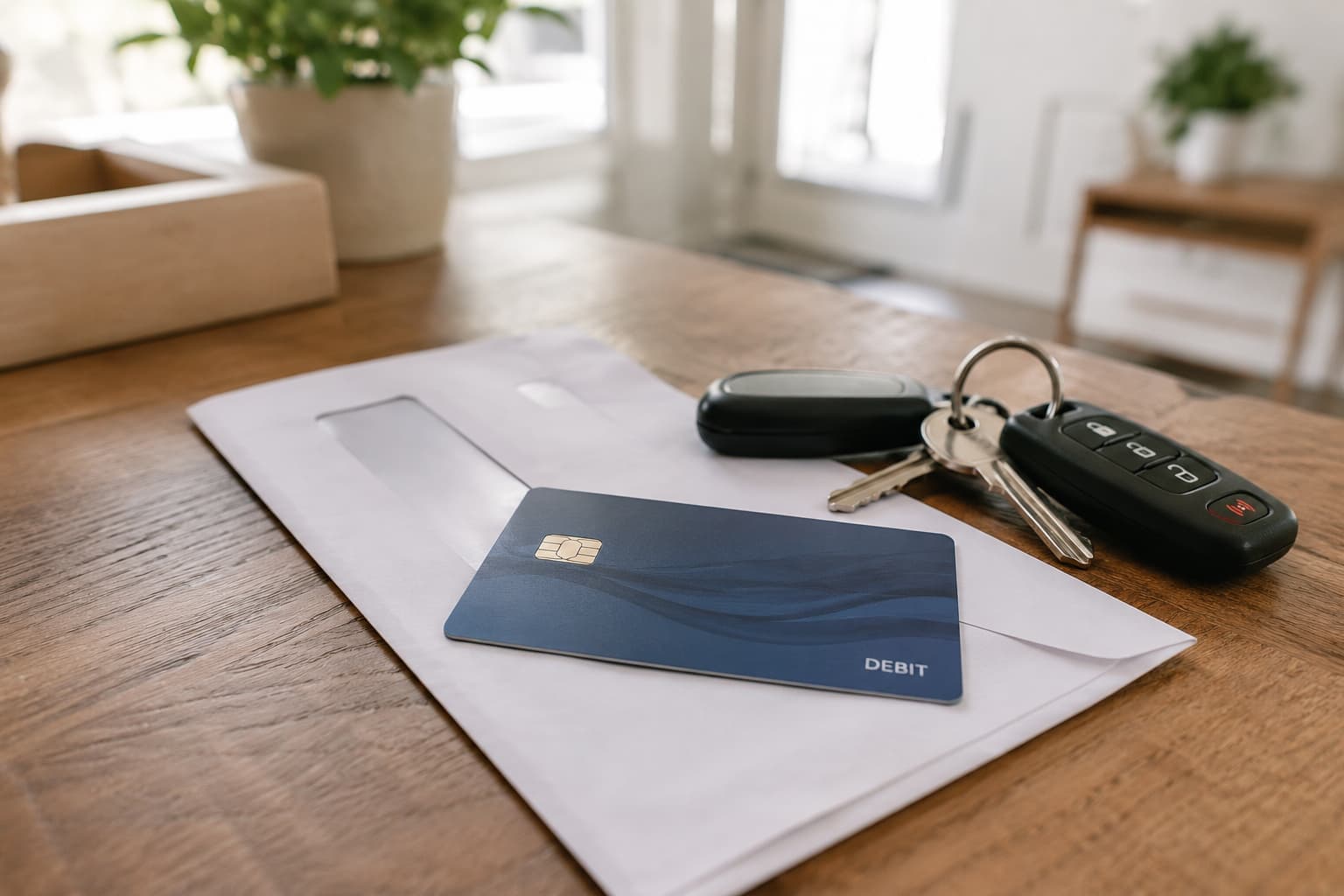
Activate the new debit card.
Maybe you even cut up the old one before throwing it away.
Everything seems finished.
Then, a few weeks later, your phone buzzes.
Your car insurance payment didn’t go through.
You completely forgot that your policy was still trying to draft from the bank account you just closed.
It’s an easy mistake to make because car insurance usually works quietly in the background. Once automatic payments are set up, most people stop thinking about them altogether.
That’s exactly why changing banks can create problems you never see coming.
A forgotten streaming subscription might mean you lose access to your favorite show for a day or two. A forgotten gym membership might trigger an email asking you to update your payment information.
Car insurance is different.
A failed payment can eventually lead to late fees, a lapse in coverage, or even policy cancellation if it isn’t corrected before your insurance company’s deadline.
The good news is that avoiding those problems usually takes less than ten minutes.
Changing banks isn’t finished when your paycheck moves.
It’s finished when every important automatic payment moves with it.
Before You Close Your Old Bank Account, Think About Everything Connected to It
Most people focus on moving their money.
Far fewer think about everything that was pulling money out of the account.
That’s where problems usually begin.
Before you close your old account—or even transfer all the money out of it—take a few minutes to review the last couple of months of transactions.
You’re not looking for every purchase.
You’re looking for recurring payments.
Some will be obvious.
Others might surprise you because they’ve been running automatically for years.
Pay special attention to:
- Car insurance payments
- Auto loan payments
- Utility bills
- Phone service
- Internet service
- Subscription services
- Any recurring debit card or bank draft
Your insurance payment deserves to be near the top of that list.
Unlike many other monthly bills, missing an insurance payment doesn’t just create a late fee. It can affect whether your policy remains active.
The Consumer Financial Protection Bureau explains that consumers can update or revoke automatic payment authorizations with companies that draft from their accounts. When it comes to car insurance, however, the goal usually isn’t stopping the payment.
It’s making sure the payment follows you to your new bank before the next draft is attempted.
A few minutes spent checking your automatic payments today can prevent hours of frustration later.
Don’t Wait Until Payment Day
One of the biggest misconceptions about automatic payments is that you can update them at the last minute.
Sometimes you can.
Sometimes you can’t.
Insurance companies often begin processing scheduled payments before the official due date. If you update your payment information after that process has already started, the draft may still attempt to pull money from the old account.
That’s why it’s a good idea to update your payment method as soon as your new bank account is ready—not the night before your premium is due.
Whether you manage your policy through a local insurance agent, an insurance company’s website, or a mobile app, take a few minutes to replace the old checking account, debit card, or credit card with your new payment information.
Then do one more thing that many people skip.
Verify that the next payment will actually use the new account.
Don’t assume the update automatically applies to the next scheduled draft.
Ask.
A quick phone call or online chat can confirm:
- Which payment method is currently on file.
- When the next payment is scheduled.
- Whether the update will apply before the next draft.
- If any additional payment is needed to prevent a missed payment.
Those few questions can eliminate a lot of uncertainty.
The Most Common Mistake Happens After Everything Seems Finished
Imagine this.
You switch banks on Monday.
By Tuesday, your direct deposit has moved.
Your new debit card works.
Your savings account has been transferred.
Everything looks complete.
So you close the old account.
Three weeks later, your insurance company attempts to draft your monthly premium.
Only then do you discover the payment was still tied to the account you closed.
From your perspective, the bank switch was finished weeks ago.
From your insurance company’s perspective, nothing had changed.
That’s why one of the safest things you can do is leave your old account open until you’ve seen one successful insurance payment come out of the new account.
It may feel unnecessary.
But that small overlap creates a safety net in case a scheduled payment was already in motion or an update didn’t process as expected.
Changing banks doesn’t end when the paperwork is finished.
It ends when every important bill—including your car insurance—has successfully made the transition with you.
Why This Matters Even More If Your Vehicle Is Financed
If you own your vehicle outright, a failed insurance payment is already a problem.
If your vehicle is financed or leased, the consequences can become even more complicated.
Most lenders require you to maintain certain coverages—typically liability, comprehensive, and collision—until the loan is paid off. If your policy cancels because an automatic payment failed, your lender may eventually discover the lapse.
In some situations, the lender may purchase insurance to protect its financial interest in the vehicle. This is often called force-placed insurance. While the details vary by lender and loan agreement, this type of coverage is generally designed to protect the lender—not you. It may cost more than the policy you chose yourself while providing less protection for your own financial interests.
That’s a situation almost every driver wants to avoid.
The National Association of Insurance Commissioners (NAIC) recommends maintaining the coverage required by your loan agreement and addressing payment issues as quickly as possible if a policy is at risk of canceling.
Fortunately, avoiding this situation is usually much easier than fixing it.
Updating one payment method today can prevent a much bigger headache later.
Choosing the Right Payment Method After Changing Banks
A bank change is also a good opportunity to ask yourself another question.
Is this still the best way to pay for my insurance?
Many drivers set up automatic payments years ago and never think about them again. But your financial habits may have changed since then.
Some people prefer automatic bank drafts because they happen without any extra work.
Others like using a debit card because it’s easier to monitor through their banking app.
Some drivers choose a credit card for the convenience or rewards, while others avoid it because they don’t want to carry a balance from month to month.
There isn’t one payment method that’s right for everyone.
The best option is the one that helps you make your payments consistently without creating new financial stress.
Whatever method you choose, the most important thing is making sure it’s current.
A new debit card, a new checking account, or even a new expiration date can interrupt an automatic payment if your insurance company still has outdated information on file.
That’s why changing banks is the perfect time to review every payment detail instead of assuming everything transferred automatically.
A Simple Checklist Before You Close Your Old Bank Account
It’s surprisingly easy to forget one automatic payment during a bank switch.
That’s why a checklist can be more valuable than relying on memory.
Before you close your old account, make sure you’ve completed these steps:
Bank Switch Insurance Checklist
☐ Updated your car insurance payment method.
☐ Verified which account or card will be used for the next payment.
☐ Saved or printed the payment update confirmation.
☐ Confirmed your next insurance due date.
☐ Left enough money in the old account until one successful payment clears from the new account.
☐ Logged into your insurance account after the payment posts to confirm your policy remains active.
This entire process usually takes less than fifteen minutes.
Compared to the time and stress involved in correcting a canceled policy, it’s one of the best investments you can make during a bank switch.
Thinking About Shopping for Insurance? Be Careful About the Timing
Many people review their finances when they change banks.
That often includes comparing insurance quotes to see if they can lower their monthly premium.
There’s nothing wrong with shopping around.
In fact, it can be a smart time to compare rates if your current policy is renewing soon.
Just don’t let the excitement of finding a lower price create an unexpected gap in coverage.
If you decide to switch insurance companies, make sure your new policy is active before canceling your old one.
Never assume the new coverage begins the moment you purchase it.
Verify the effective date, review your confirmation documents, and make sure there isn’t even a single day without coverage.
While you’re comparing quotes, don’t focus only on the monthly payment.
Take a few minutes to compare liability limits, deductibles, optional coverages, and payment terms so you’re making an apples-to-apples comparison.
A policy that costs a little less each month isn’t necessarily the better value if it leaves you with significantly less protection after an accident.
If you’re unsure what to compare, our guide on How to Read Auto Coverage Quotes Like an Insurance Agent explains what to look for beyond the premium so you can make a more informed decision.
The Goal Isn’t Just Moving Banks—It’s Avoiding Problems You Didn’t See Coming
When people think about changing banks, they usually focus on the obvious tasks.
Opening the account.
Moving their paycheck.
Ordering new checks.
Setting up online banking.
The things that cause the biggest headaches are usually the ones no one thinks about until later.
Like the automatic insurance payment that’s still connected to an account you closed three weeks ago.
That’s why changing banks isn’t really about moving your money.
It’s about making sure the rest of your financial life moves with it.
Your insurance policy should be one of the first things you update—not the last.
Changing Banks Shouldn’t Change Your Insurance Coverage
Changing banks is something most people only do every few years.
Because it doesn’t happen often, it’s easy to focus on the obvious tasks and overlook the quiet ones happening in the background.
You remember to update your paycheck.
You remember to activate your new debit card.
You remember to move your savings.
The one thing that’s easy to forget is the automatic payment you set up years ago and haven’t thought about since.
That’s why car insurance deserves to be one of the first bills you update—not one of the last.
A missed streaming subscription might be an inconvenience.
A missed phone payment might trigger a reminder.
A missed car insurance payment has the potential to become much more expensive if it leads to late fees, a lapse in coverage, or policy cancellation.
Fortunately, this is one of the easiest insurance problems to prevent.
Before you close your old bank account, confirm your payment information has been updated, verify which account your next premium will draft from, and make sure you’ve seen one successful payment process through your new account.
Those few extra minutes can help prevent weeks of frustration later.
Changing banks isn’t finished when your money moves.
It’s finished when everything that depends on your money has moved too.
Sometimes, protecting your car insurance isn’t about buying more coverage.
It’s simply about making sure the coverage you already have never misses a payment.
Frequently Asked Questions
Should I update my car insurance before closing my old bank account?
Yes. Update your payment information before closing your old account whenever possible. Then verify that your next scheduled payment will draft from your new account or payment method.
What happens if my automatic car insurance payment fails?
A failed payment may result in a late fee, a returned payment fee, or eventually a policy cancellation if the payment isn’t corrected before your insurance company’s deadline. Contact your insurance company or insurance agent immediately if you receive a failed payment notice.
Should I keep my old bank account open after switching banks?
If possible, yes.
Keeping your old account open until one successful insurance payment clears through your new account creates a safety net in case an automatic payment was already scheduled before your banking information was updated.
Can changing my debit card affect my car insurance payment?
Yes.
If your insurance company still has your old debit card number, expiration date, or bank account information, your automatic payment may fail. Always verify your payment method after receiving a new card or changing financial institutions.
Is changing banks a good time to compare car insurance quotes?
It can be.
Many people review their monthly expenses when changing banks, making it a convenient time to compare insurance quotes. If you decide to switch insurance companies, make sure your new policy is active before canceling your current policy so you avoid any lapse in coverage.
How do I know my new payment method has been updated correctly?
The easiest way is to log into your online account or contact your insurance company after making the update. Confirm which payment method is on file, when the next payment is scheduled, and monitor your account until the first successful draft has been completed.