
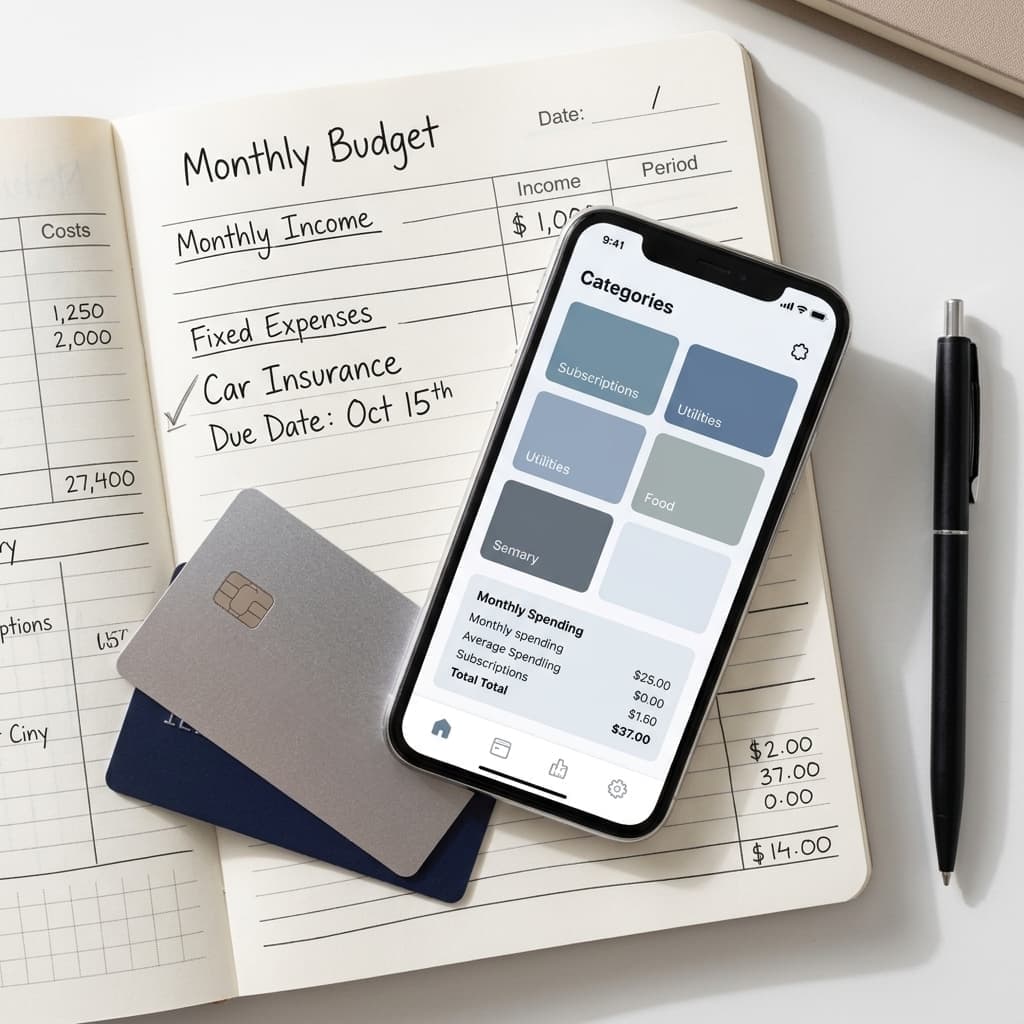
A monthly subscription usually solves a small convenience problem. Car insurance helps manage a financial risk that could affect your finances for years.
That difference matters when money is tight. Streaming services, apps, meal plans, cloud storage, gym memberships, and other subscriptions often renew automatically, making them feel like just another part of the monthly budget. It’s easy for car insurance to start feeling like one more recurring payment alongside everything else.
The reality is different. Most subscriptions provide access to a service or entertainment. Car insurance helps protect your income, your vehicle, your ability to stay legally on the road, and your financial future if you’re involved in an accident.
When your budget has limited room, it’s worth separating expenses that are optional from those that protect you from potentially life-changing costs. That’s why many financial experts recommend viewing car insurance as financial protection rather than simply another monthly bill.
A Subscription Buys Convenience, But Insurance Helps Protect Your Finances
Canceling a subscription may mean losing entertainment, storage, delivery perks, or a service you enjoy. Canceling car insurance can create a much bigger problem.
If you drive without required insurance, you may face penalties depending on your state. If you cause an accident, liability coverage can generally help pay for injuries or property damage you cause to others, up to your policy limits. Without that protection, those costs may become a personal financial problem.
The National Association of Insurance Commissioners explains that auto insurance can include liability, collision, and comprehensive coverage. Those coverages do different jobs. Liability protects other people when you are responsible for an accident. Collision can help repair your own vehicle after a crash, depending on your policy. Comprehensive can help with certain non-collision losses, such as theft, hail, fire, or vandalism.
That is why car insurance should not be judged only by whether you used it this month. You may go months without filing a claim and still be getting value from the policy because the protection is in place before something happens.
The Real Value Of Insurance Shows Up When Something Goes Wrong
Many subscriptions feel valuable because you use them often. Car insurance feels different because the value is tied to a risk you hope never happens.
For example, a driver may pay for collision coverage for months without needing it. That can make the premium feel frustrating. But if that driver hits a pole, backs into another vehicle, or is involved in an at-fault crash, collision coverage may help pay to repair the insured vehicle, subject to the deductible, limits, and policy terms.
Liability coverage works differently. It generally does not repair your own vehicle after an at-fault accident. Instead, it helps cover damage or injuries you cause to others, up to your policy limits. Minimum liability coverage may be a practical option for drivers who need to stay legal on a tight budget, but it has limits. It is designed mainly to satisfy legal and liability needs, not to fully protect your own car.
That distinction is important. Insurance is not one product doing one job. It is a set of financial protections, and the value depends on which risks you are trying to manage.
Small Monthly Choices Can Create Long-Term Consequences
A monthly subscription can usually be paused, canceled, or restarted without changing your financial life. Car insurance is different because lapses in coverage can affect more than one month’s budget.
A lapse may make it harder or more expensive to restart coverage. It can also leave you exposed if you drive during the gap. If your vehicle is financed or leased, your lender may require comprehensive and collision coverage. If that coverage is not maintained, the lender may have options under the loan agreement, and those options can become expensive.
This is why insurance belongs in the financial foundation part of a budget. Rent, utilities, food, transportation, debt payments, and required insurance usually come before lifestyle subscriptions. Subscriptions can improve comfort. Insurance can help prevent one bad event from becoming a long-term financial setback.
The Consumer Financial Protection Bureau recommends getting a realistic picture of where money is going when building a budget. For drivers, that review should include separating optional recurring charges from expenses that protect income, transportation, and legal compliance.
Examples Of Insurance Value Compared With Subscriptions
Think about the difference this way.
A music subscription may make a commute better. Car insurance may help keep that commute financially possible after an accident.
A delivery subscription may save time. Liability coverage may help protect you from paying out of pocket for damage you cause to someone else’s vehicle.
A streaming subscription may help you relax at home. Comprehensive coverage may help if your parked car is stolen, damaged by hail, or vandalized, depending on the policy.
A cloud storage subscription may protect photos and files. Collision coverage may help protect the vehicle you use to get to work, take children to school, or handle daily responsibilities.
These examples are not meant to say subscriptions have no value. They do. But most subscriptions are lifestyle tools. Car insurance is part of risk management. It may not feel exciting, but it can matter much more when a serious problem happens.
How To Decide What Coverage Deserves Room In Your Budget
The right car insurance decision is not always buy the most coverage. It is choosing coverage that fits your vehicle, legal requirements, loan requirements, and financial risk.
Start with these questions:
- Do I need liability coverage to drive legally in my state?
- Is my vehicle financed or leased?
- Could I afford to repair or replace my vehicle if I caused an accident?
- Could I afford the deductible if I chose comprehensive or collision?
- Would a coverage lapse create a bigger problem later?
- Are there optional subscriptions I would cancel before reducing required insurance protection?
A paid-off older vehicle may not need the same coverage as a newer financed vehicle. A driver with very little savings may choose minimum liability because staying legally insured is the immediate priority. Another driver may decide that comprehensive and collision are worth keeping because losing the vehicle would interrupt work or family transportation.
The professional way to compare insurance is not just to look at the monthly premium. It is to compare what the premium protects. A lower bill can be helpful, but only if the policy still fits the risk you are trying to manage.
Keep The Policy Practical, Not Perfect
Car insurance does not have to be perfect to be useful. A budget-conscious policy can still be a responsible policy.
If money is tight, the first goal may be maintaining continuous liability coverage so you can drive legally and avoid an uninsured gap. From there, you can review whether comprehensive, collision, higher limits, or different deductibles make sense. Some drivers may adjust coverage as their vehicle gets older, their loan is paid off, or their savings improve.
Payment structure can matter too. A monthly policy, low down payment option, or pay as you go car insurance search may really be about cash flow rather than mileage-based pricing. That distinction matters because spreading out payments is different from lowering the total cost of coverage.
The key is to make coverage decisions intentionally. Canceling a subscription because it no longer fits your budget is usually simple. Reducing or canceling insurance without understanding the consequences can be much more serious.
A useful policy is one you can afford to keep and understand before a claim happens.
The Smarter Financial Question Is What The Payment Protects
The monthly premium is only one part of the decision. The better question is: what does this payment protect me from?
A subscription protects access. Car insurance can help protect against liability, vehicle damage, legal trouble, lender issues, and sudden expenses after a covered loss. That makes it a different kind of monthly payment.
When reviewing your budget, car insurance should not be grouped with optional subscriptions just because it bills every month. It belongs closer to the essentials: the expenses that help keep your life stable, your transportation available, and your financial risks more manageable.
FAQ Section
Is Car Insurance More Important Than Monthly Subscriptions?
For most drivers, yes. Subscriptions are usually optional lifestyle expenses, while car insurance may be legally required and can help protect you financially after an accident. The exact coverage you need depends on your state, vehicle, loan status, and budget.
Should I Cancel Subscriptions Before Lowering My Car Insurance?
In many cases, it is wise to review optional subscriptions before reducing required or important insurance coverage. Lowering coverage may reduce your monthly premium, but it can also leave you with more out-of-pocket risk after an accident or vehicle loss.
Is Minimum Liability Coverage A Bad Choice?
No. Minimum liability coverage can be a practical option for drivers who need affordable legal coverage. The tradeoff is that it generally does not pay to repair your own vehicle after an at-fault crash, and it may not satisfy a lender if your vehicle is financed or leased.
What Coverage Protects My Own Car?
Collision coverage may help repair your vehicle after a crash, while comprehensive coverage may help with non-collision losses such as theft, hail, fire, vandalism, or certain weather damage. Both are subject to policy terms, deductibles, and limits.
Why Does Continuous Car Insurance Matter?
Continuous coverage can help you avoid gaps that may create legal, financial, or insurance-shopping problems. A lapse can leave you unprotected if you drive during the gap and may affect what options are available when you try to restart coverage.