
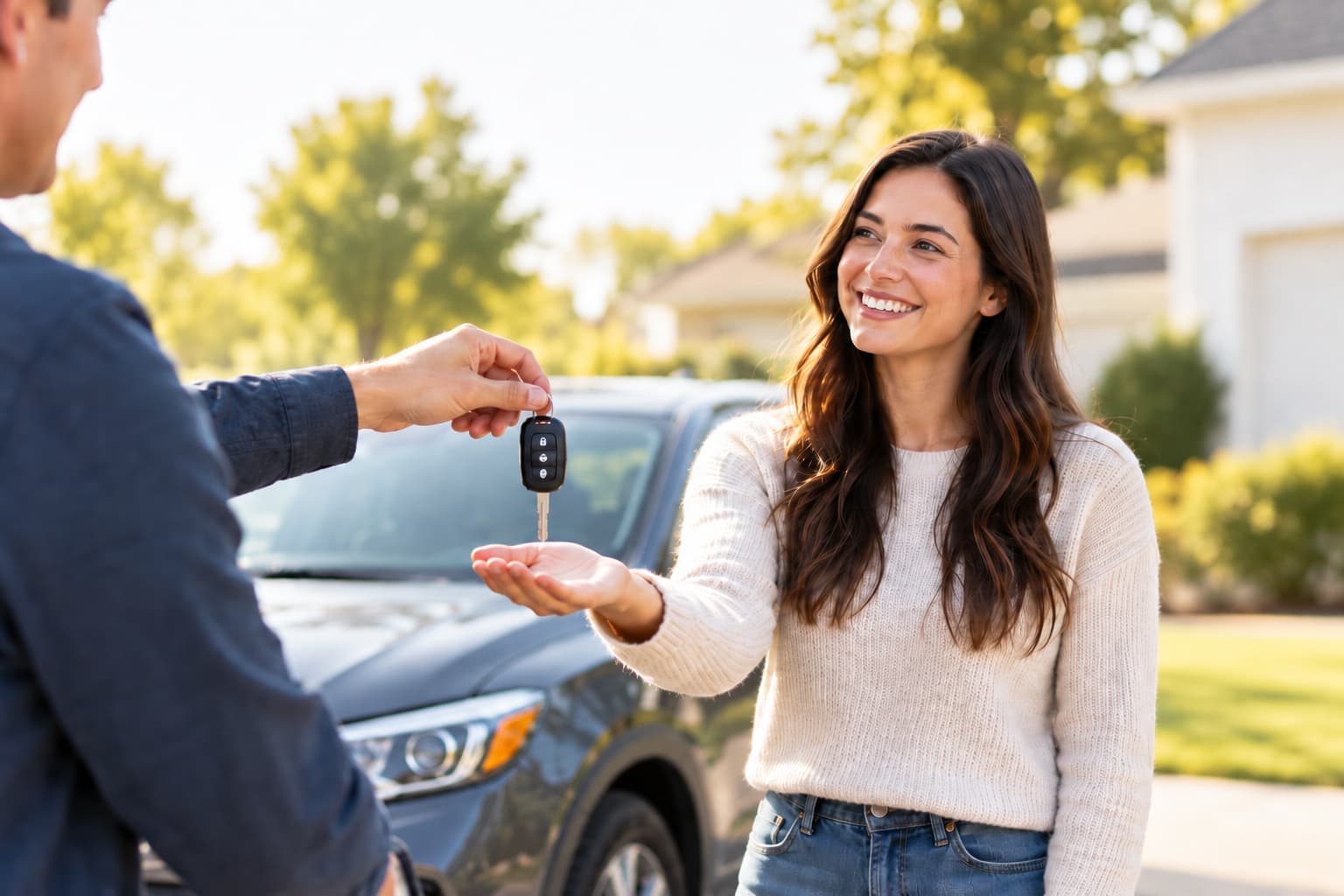
Yes, someone else may be covered when driving your car, especially if they have your permission and only borrow it occasionally. But if someone regularly drives your vehicle, they should generally be disclosed to your insurance company and listed on the policy when required.
Coverage can depend on who is driving, how often they use the car, whether they live with you, and the terms of your policy.
The main distinction is between someone who borrows your car occasionally and someone who regularly has access to it.
Does Car Insurance Follow the Car or the Driver?
In many situations, auto insurance follows the insured vehicle.
For example, if you allow a friend to borrow your car and they cause an accident, your policy may respond first. Your liability coverage may help pay for injuries or property damage the driver causes, subject to your policy limits and terms.
If your vehicle has collision coverage, it may also help pay for covered damage to your own car after an accident, minus your deductible.
However, that does not mean every person who drives the vehicle is automatically covered.
Who the driver is, how often they use the car, and whether they are listed or excluded from the policy can all matter.
Occasional Borrowing vs. Regularly Driving the Car
This is one of the most important distinctions when lending your vehicle.
An occasional borrower might be a friend who uses your car once to run an errand or a relative who drives it for the afternoon.
A regular driver is someone who repeatedly uses the vehicle or normally has access to it. That could include a spouse, partner, teen driver, roommate, relative, or friend.
Some auto policies provide coverage when an occasional driver uses your vehicle with permission. This is often referred to as permissive use.
But permissive use should not be treated as a substitute for listing someone who regularly drives the car.
If someone is expected to use your vehicle regularly, tell your insurance company and make sure they are listed on the policy when required.
What Is Permissive Use?
Permissive use generally refers to allowing someone who is not regularly listed on your policy to drive your vehicle.
For example, you might let a friend borrow your car for a few hours.
Depending on the policy, that driver may be covered while using the vehicle with your permission.
However, policies can treat unlisted drivers differently. Some may limit coverage or have other restrictions.
That is why permissive use is better thought of as coverage for certain occasional situations, not a replacement for listing someone who regularly drives your car.
Who Should Be Listed on My Car Insurance?
If someone regularly drives your vehicle or has regular access to it, your insurance company should know about them.
That can include a:
- Spouse or partner
- Teen driver
- Roommate
- Relative living with you
- Friend who frequently uses the vehicle
- Other household member with access to the car
Insurance companies use information about the people who drive a vehicle when determining coverage and pricing, which is one reason car insurance rates can change when a driver is added to a policy.
A good rule is simple:
If someone regularly drives your car, do not assume permissive use is enough. Tell your insurer and find out how that driver should be listed.
What Happens If Someone Borrows My Car and Causes an Accident?
Suppose you let a friend borrow your car to run an errand and they cause an accident.
Your auto insurance may be the first policy involved because it insures the vehicle.
If the accident damages another person’s vehicle or causes injuries, your liability coverage may apply up to the available policy limits.
If you carry collision coverage, it may also help pay for covered damage to your own vehicle, minus your deductible.
The driver’s own insurance may also become relevant in some situations, but you should not assume their policy automatically takes over simply because they were driving.
Could My Insurance Rate Change If Someone Else Crashes My Car?
It can.
If your insurance policy pays a claim after someone else causes an accident while driving your vehicle, the claim can affect your policy history.
Whether your premium changes afterward can depend on the circumstances of the accident, your insurer, your driving and claims history, and other rating factors.
That does not mean lending your car will automatically raise your rate.
It does mean that when you hand someone your keys, an accident involving your vehicle can still affect your insurance policy.
What If the Driver Has Their Own Insurance?
Having their own auto insurance does not necessarily mean their policy becomes the primary coverage when they borrow your car.
Because your policy insures the vehicle, it may respond first depending on the accident and the coverage involved.
The borrower’s insurance could potentially provide additional coverage in some situations, but that depends on both policies.
Before lending your car, it is better to understand how your own policy handles other drivers rather than assuming the borrower’s insurance will cover everything.
What If Someone Drives My Car Without Permission?
Permission matters.
There is a major difference between letting someone borrow your car and someone taking the vehicle without your permission.
Coverage can become more complicated when the driver was not authorized to use the vehicle.
Policy definitions, exclusions, and the circumstances of the incident will determine how a claim is handled.
What About an Excluded Driver?
An excluded driver is different from an occasional borrower.
If someone has specifically been excluded from your auto insurance policy, you should not assume they have coverage to drive your vehicle.
Allowing an excluded driver to use the car can create coverage problems if an accident happens.
If an excluded person needs to begin driving the vehicle, contact your insurance company before they do so and find out what changes need to be made.
Does Full Coverage Change Who Can Drive the Car?
Not necessarily.
Liability, collision, and comprehensive coverage protect against different types of losses. Having collision and comprehensive coverage does not automatically mean every person who drives your vehicle is covered.
The driver still has to meet the requirements of the policy.
For example, collision coverage may help repair your vehicle after a covered accident involving an eligible driver, while liability coverage may help pay for damage or injuries caused to others.
Who was driving still matters.
Before You Let Someone Drive Your Car
You do not have to make lending your car complicated.
Before someone regularly starts using it, check a few things:
- Is the driver already listed on your policy?
- Does your insurer need to know about them?
- Are there any excluded drivers on the policy?
- Does the driver have a valid license?
- What liability and physical damage coverage do you currently carry?
If someone only needs to borrow the car occasionally, you can also ask your insurer how your policy handles permissive drivers. It can also help to understand how your Oklahoma car insurance coverage is structured, including your liability limits and any collision or comprehensive coverage on the vehicle.
A quick coverage check beforehand is much easier than figuring out who was supposed to be covered after an accident.
Frequently Asked Questions
Should Someone Who Drives My Car Be Listed on My Insurance Policy?
If someone regularly drives your car or has regular access to it, you should tell your insurance company and have them listed on the policy when required.
This can include a spouse, partner, teen driver, roommate, relative, or friend who uses the vehicle more than occasionally. Listing regular drivers helps make sure your policy accurately reflects who is using the car.
Can Someone Drive My Car If They Are Not Listed on My Insurance?
Sometimes, but it depends on the policy and how often they drive the vehicle.
An occasional borrower may be covered under permissive use if they have your permission. However, someone who regularly drives your car should not rely on permissive use. They should be disclosed to your insurer and listed on the policy when required.
Do Household Members Need to Be Listed on My Car Insurance?
Household members who drive your vehicle or regularly have access to it should generally be disclosed to your insurance company.
Even if they only use the car from time to time, your insurer should know who in the household has access to the vehicle so they can determine whether that person needs to be listed on the policy.
What Happens If an Unlisted Driver Crashes My Car?
Coverage depends on the policy, the driver, and the circumstances of the accident.
If the driver was an occasional borrower with permission, your policy may still provide coverage. If the person regularly drives the vehicle but was never disclosed or listed, the claim can become more complicated.
That is why regular drivers should be added to the policy when required instead of relying on occasional-driver coverage.
Regular Drivers Should Be Listed on Your Policy
Someone else can sometimes drive your car and be covered by your insurance, particularly when they have your permission and only use the vehicle occasionally.
But occasional permissive use and regular driving are not the same thing.
If someone is going to regularly drive your vehicle, tell your insurance company and make sure that person is properly listed on the policy when required.
That keeps the policy information accurate and reduces uncertainty about coverage if an accident happens.