
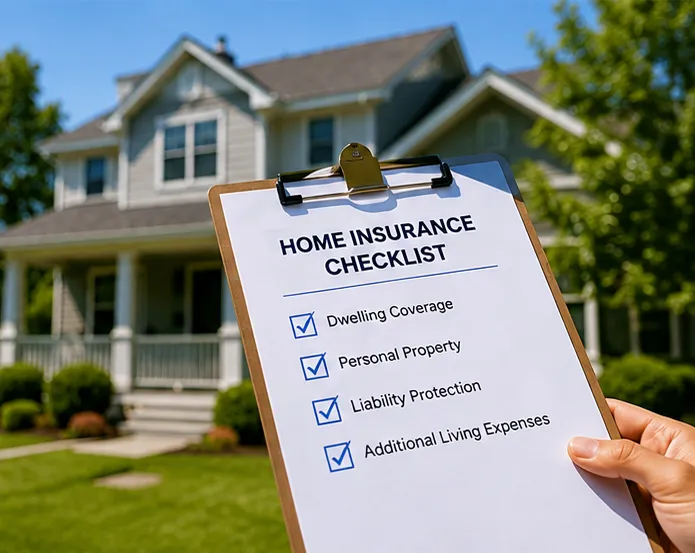
Renters insurance protects you - the tenant - against losses related to your belongings, your liability to others, and the cost of temporary housing if your unit becomes uninhabitable. Your landlord's insurance only covers the building, not your stuff.
What's covered
1. Personal property
Reimburses you for personal belongings damaged or stolen. Covered events typically include:
- Fire and smoke
- Theft and vandalism
- Water damage from internal plumbing (a burst pipe - NOT flooding from outside)
- Windstorm, hail
- Some electrical/appliance damage
High-value items (jewelry, art, electronics) often have sub-limits and may need a separate rider ("scheduled personal property").
2. Liability
Pays if someone is injured in your home and sues, or if you accidentally damage someone else's property. Standard limits are $100,000 but $300,000+ is common and inexpensive.
3. Loss of use (additional living expenses)
Covers hotel stays, restaurant meals, and other costs if a covered event makes your home temporarily uninhabitable.
What's NOT covered (typically)
- Floods (from outside - rivers, storm surge, heavy rain) - needs separate flood insurance.
- Earthquakes - separate policy required.
- Roommate's belongings - each tenant needs their own policy.
- Damage from pests (bedbugs, rodents).
- Intentional damage you cause.
Cost
Renters insurance is one of the cheapest forms of insurance: typically $15–$30 per month ($180–$360 per year). The price depends on your coverage amount, deductible, location, and any added riders.
Replacement cost vs. actual cash value
- Actual cash value (ACV): pays what your stuff is worth today (factors in depreciation). Cheaper premium, smaller payouts.
- Replacement cost: pays what it would cost to replace items new. Higher premium, much better payouts. Usually worth the extra $3–$5/month.