
Moving into an apartment is an exciting milestone, whether you're renting your first place in Oklahoma City, relocating to Tulsa, or settling into a smaller community elsewhere in the state. Amid the excitement of signing a lease and furnishing your new home, one important question often comes up: Do you need renters insurance for an apartment in Oklahoma?
The answer is that renters insurance is not required by Oklahoma law, but many apartment communities require tenants to carry a policy as part of their lease agreement. Even when it isn't required, renters insurance can help protect your belongings, provide liability coverage, and help pay temporary living expenses if a covered loss makes your apartment uninhabitable.
Because Oklahoma experiences severe weather, including tornadoes, windstorms, hail, and fires, renters face risks that can quickly lead to expensive losses. A renters insurance policy is designed to help reduce the financial burden when unexpected events occur.
This guide explains how renters insurance for apartments works in Oklahoma, what it covers, what it doesn't cover, how much it typically costs, and how to choose the right amount of protection for your situation.
The Protection Gap Many Oklahoma Renters Don't Realize Exists
Many apartment renters assume their landlord's insurance policy protects everything inside their unit. Unfortunately, that is one of the most common misconceptions about apartment insurance.
A landlord's policy generally protects the building itself, including walls, roofs, hallways, and other structures owned by the property owner. It does not typically cover your furniture, clothing, electronics, kitchen items, or other personal belongings.
If a fire damages your apartment or a thief steals your laptop, the landlord's policy usually won't reimburse you for those losses. That's where renters insurance comes in.
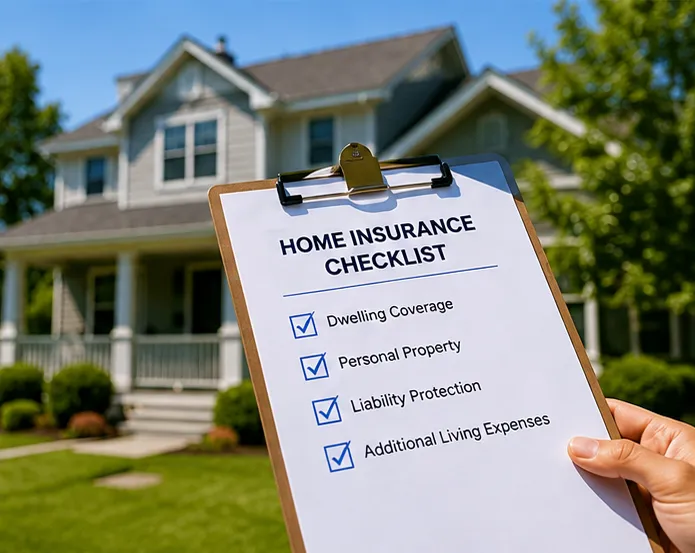
Most renters insurance policies include:
- Personal property coverage
- Personal liability coverage
- Medical payments coverage
- Additional living expenses coverage
Together, these coverages help protect renters from many of the financial risks associated with apartment living.
Why Apartment Communities Across Oklahoma Require Renters Insurance
Over the past several years, more apartment complexes throughout Oklahoma have begun requiring renters insurance as part of the lease process.
From the landlord's perspective, renters insurance helps reduce disputes following accidents, fires, water damage incidents, and liability claims. From the renter's perspective, it provides a layer of financial protection that can be difficult to replace out of pocket.
Many Oklahoma apartment communities require tenants to maintain:
- Active renters insurance coverage
- Personal liability protection
- Proof of insurance throughout the lease term
Some landlords may request minimum liability limits, often ranging from $100,000 to $300,000.
Before signing a lease, carefully review any insurance requirements listed in your rental agreement.
Breaking Down What Renters Insurance Covers Inside an Apartment
Personal Property Protection
Personal property coverage helps pay to repair or replace belongings damaged by covered events.
Covered belongings often include:
- Furniture
- Televisions
- Computers
- Tablets
- Smartphones
- Clothing
- Shoes
- Appliances you own
- Bedding
- Kitchen items
- Home office equipment
Many renters underestimate the value of their possessions. A one-bedroom apartment can easily contain tens of thousands of dollars in personal property once electronics, furniture, clothing, and household goods are added together.
Liability Protection When Accidents Happen
Liability coverage may help if you are found legally responsible for injuries or property damage involving another person.
Examples include:
- A visitor slipping and falling in your apartment
- Accidental damage to a neighboring unit
- Property damage caused by a covered incident
Liability coverage may also help with certain legal expenses associated with covered claims.
Additional Living Expenses Coverage
If a covered loss makes your apartment temporarily uninhabitable, additional living expenses coverage may help pay for expenses above your normal living costs.
Covered expenses may include:
- Hotel accommodations
- Temporary housing
- Additional meal expenses
- Other necessary living costs
For renters displaced by a fire or severe weather event, this coverage can be extremely valuable.
Medical Payments Coverage
Medical payments coverage helps pay for minor injuries suffered by guests, regardless of fault, up to the policy limits.
This coverage is often used for smaller incidents that do not rise to the level of a liability lawsuit.
What Renters Insurance Usually Doesn't Cover
While renters insurance provides broad protection, it does not cover every type of loss.
Common exclusions often include:
Flood Damage
Standard renters insurance policies typically do not cover flooding.
Flooding may result from:
- Heavy rainfall
- Overflowing rivers
- Flash floods
- Storm surge
Renters living in flood-prone areas may want to explore separate flood insurance options.
Earthquake Damage
Most standard renters insurance policies exclude earthquake-related losses.
Intentional Damage
Insurance is designed to cover accidental losses, not intentional acts.
Pest Infestations
Damage caused by insects, rodents, or other pests is generally not covered.
Normal Wear and Tear
Insurance does not pay for deterioration that occurs naturally over time.
How Much Does Renters Insurance Cost for Apartments in Oklahoma?
One reason renters insurance remains popular is affordability.
Compared to many other types of insurance, renters insurance often provides significant protection for a relatively modest monthly premium.
Several factors influence the cost of coverage, including:
- Apartment location
- Coverage limits
- Deductible selection
- Claims history
- Building characteristics
- Personal insurance profile
Apartment renters in larger metro areas such as Oklahoma City and Tulsa may see different rates than renters in smaller communities due to differences in local risk factors and property values.
The most effective way to determine your cost is to compare multiple quotes based on your specific apartment and coverage needs.
Calculating How Much Coverage Your Apartment Actually Needs
One of the biggest mistakes renters make is guessing how much coverage they need.
A better approach is to create a home inventory.
Walk through your apartment and document:
- Furniture
- Electronics
- Clothing
- Jewelry
- Appliances
- Sporting goods
- Musical instruments
- Home office equipment
Take photographs and save receipts whenever possible.
After creating an inventory, estimate the replacement cost of your belongings. Many renters are surprised to discover their possessions would cost significantly more to replace than they initially thought.
Choosing Liability Limits
Many renters choose liability limits of at least $100,000, although some apartment communities require higher amounts.
When selecting liability coverage, consider:
- Lease requirements
- Personal assets
- Household circumstances
- Risk tolerance
Oklahoma Weather Risks That Make Renters Insurance Valuable
Oklahoma's climate creates unique challenges for renters.
Tornadoes
Oklahoma consistently ranks among the states most associated with tornado activity.
While no one can predict when severe weather will strike, renters insurance may help cover personal property losses caused by covered tornado-related damage.
Wind and Hail
Strong thunderstorms frequently produce damaging wind and hail.
These storms can damage apartment buildings and personal belongings.
Fire and Smoke Damage
Electrical fires, kitchen accidents, and neighboring unit fires can all create significant losses.
Even if flames never enter your apartment, smoke damage alone can affect furniture, clothing, and electronics.
Lightning Strikes
Oklahoma's severe storms frequently produce lightning activity that can damage electronics and personal property.
Theft Protection Inside and Outside Your Apartment
Many renters are surprised to learn that renters insurance may provide protection beyond the apartment itself.
Coverage may extend to belongings stolen:
- From your apartment
- From a storage unit
- While traveling
- From certain off-premises locations
If a theft occurs, it is important to:
- Contact law enforcement.
- Document stolen property.
- Gather receipts or photos when available.
- Notify your insurance company promptly.
Keeping an updated inventory can simplify the claims process.
A Simple Step-by-Step Process for Getting Renters Insurance
Getting renters insurance is generally straightforward.
Step 1: Gather Apartment Information
You'll typically need:
- Apartment address
- Move-in date
- Desired coverage limits
Step 2: Estimate Your Belongings
Create a personal property inventory to determine how much coverage you need.
Step 3: Compare Coverage Options
Look beyond price alone and review:
- Personal property limits
- Liability limits
- Deductibles
- Optional coverages
Step 4: Purchase Your Policy
Once you select a policy, coverage can often begin quickly.
Step 5: Provide Proof of Insurance
If your landlord requires coverage, submit the requested documentation to satisfy lease requirements.
Common Mistakes Oklahoma Apartment Renters Should Avoid
Many renters make avoidable mistakes when purchasing coverage.
Assuming the Landlord Covers Everything
The landlord's policy generally protects the building—not your personal property.
Choosing the Lowest Coverage Available
Low premiums may also mean lower protection.
Forgetting to Update Coverage
New electronics, furniture, and other purchases can increase your insurance needs.
Not Keeping an Inventory
Without documentation, replacing belongings after a loss can be more difficult.
Waiting Until After Moving In
Obtaining coverage before move-in day can help ensure protection begins immediately.
Protecting Your Apartment Life From the Unexpected
Apartment living offers convenience, flexibility, and affordability, but it also comes with risks. Fires, theft, liability claims, severe storms, and unexpected accidents can happen when you least expect them.
Renters insurance helps fill the gap between what your landlord's insurance covers and what could become your financial responsibility. Whether you're renting an apartment in Oklahoma City, Tulsa, Norman, Edmond, Broken Arrow, or anywhere else in the state, understanding your coverage options can help you make informed decisions about protecting your belongings and your financial future.
Before choosing a policy, compare coverage options carefully, review your apartment's lease requirements, and make sure the protection you select aligns with your needs. A little preparation today can make a significant difference when unexpected events occur tomorrow.
Frequently asked questions
Is renters insurance required by law in Oklahoma?
No. Oklahoma law does not require renters insurance. However, landlords and apartment communities may require it as part of a lease agreement.
Does renters insurance cover roommates?
Typically, coverage only applies to the named insureds listed on the policy. Review policy details carefully if you share an apartment with roommates.
Can I get renters insurance before moving into my apartment?
Yes. Many renters purchase coverage before their move-in date to ensure protection starts immediately.
Does renters insurance cover tornado damage?
Renters insurance may help cover personal property damaged by covered tornado-related events, subject to policy terms and conditions.
Is renters insurance worth it for apartment renters?
For many renters, the combination of personal property protection, liability coverage, and additional living expenses coverage provides valuable financial protection at an affordable cost.