Your insurance payment is due today.
Your next paycheck isn’t until Friday.
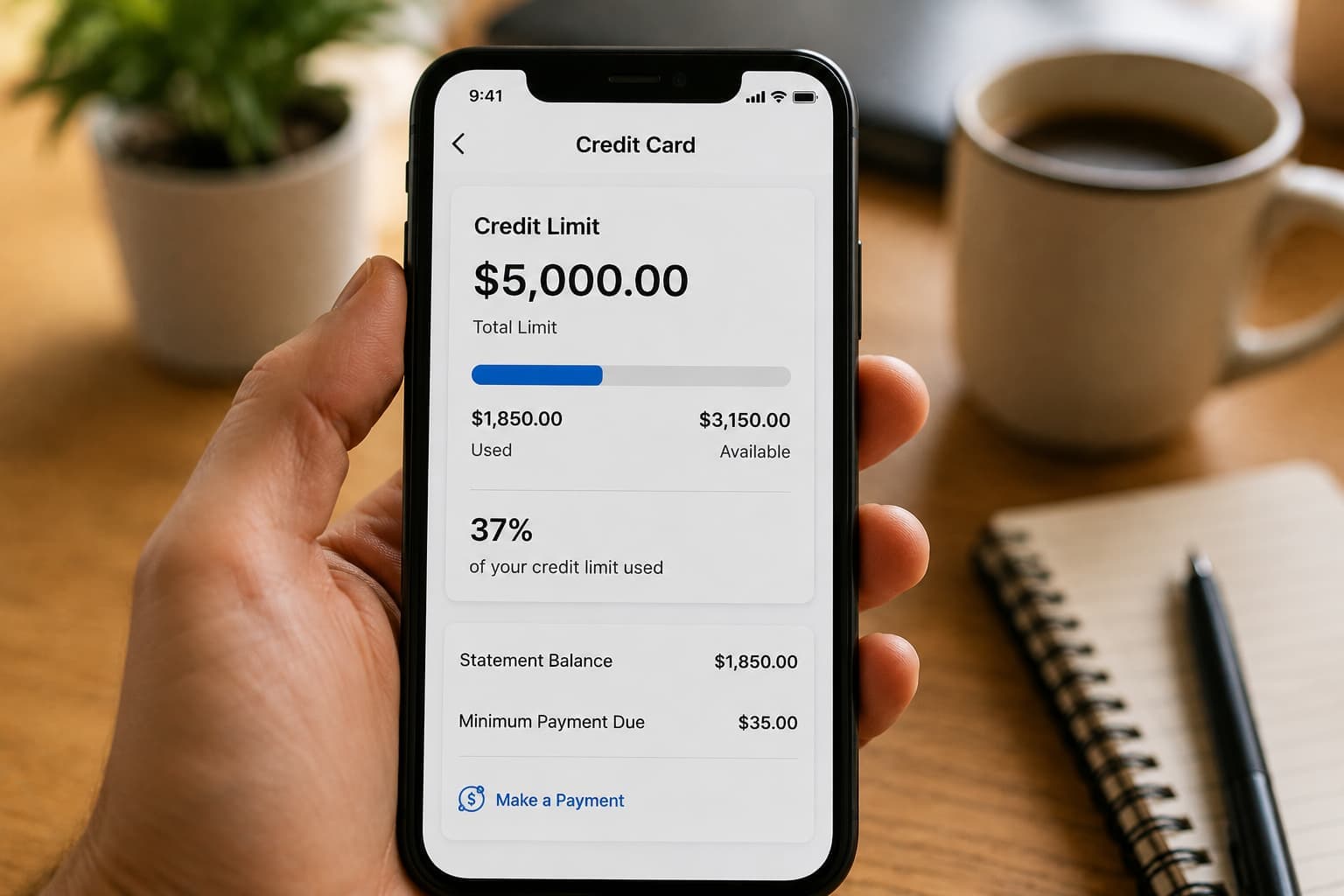
You have enough available credit to cover the premium, but you’re wondering if putting car insurance on your credit card is a smart move—or the beginning of a bigger financial problem.
The answer depends on why you’re reaching for the card.
If you’re trying to bridge a gap of a few days, a credit card may help keep your policy active and prevent a lapse in coverage.
If you’re putting the payment on a card because there’s no realistic way to pay it back, the credit card isn’t solving the problem. It’s simply moving it to next month.
Before you make the payment, here’s how to think through the decision.
First, Figure Out Which Problem You’re Actually Solving
There are two very different situations that can lead someone to pull out a credit card.
Situation 1: A Timing Problem
Your insurance payment is due on Tuesday.
Your paycheck arrives on Friday.
You can pay the credit card balance as soon as you get paid.
In this situation, the card is acting as a short-term bridge between your due date and your paycheck.
Situation 2: An Affordability Problem
Your insurance premium has become more than your monthly budget can handle.
Even after your next paycheck arrives, you’ll still be carrying the balance.
That’s no longer a timing problem.
It’s a sign that your payment, coverage, or budget may need to be reviewed.
Knowing which situation you’re in is the most important part of this decision.
Before You Reach for Your Credit Card
Before making the payment, ask yourself three simple questions.
Will the insurance company accept this payment method?
Most insurers accept major credit cards, but not every company handles payments the same way. Some may charge processing fees, while others have restrictions on certain payment methods. Confirm that your payment will post before your cancellation date.
Can I pay this balance off with my next paycheck?
If the answer is yes, using a credit card may help you avoid a lapse without creating long-term debt.
If the answer is no, it’s worth exploring other payment options before adding interest charges to the situation.
Am I preventing a one-time problem or creating a monthly habit?
Using a credit card once during an unexpected cash-flow gap is very different from relying on one every month.
Don’t Forget to Ask Your Insurance Company First
Many drivers assume their only choices are paying the full premium or letting the policy lapse.
That isn’t always the case.
Before putting the payment on a credit card, contact your insurance company or agency and ask whether they offer:
- A different due date
- Monthly or installment billing
- Different payment schedules
- Automatic draft options
- Any payment arrangements that can keep the policy active
The available options vary by company, but it’s always better to ask before your payment becomes late.
If Your Vehicle Is Financed, Don’t Wait Too Long
If your vehicle has a loan or lease, keeping your insurance active becomes even more important.
Most lenders require you to maintain comprehensive and collision coverage for the life of the loan.
According to the National Association of Insurance Commissioners (NAIC), if required coverage lapses, a lender may purchase force-placed insurance to protect its financial interest. That coverage can cost significantly more than purchasing your own policy and may provide less protection for you.
If you’re deciding between a temporary credit card payment and allowing your policy to lapse, understand the potential consequences before making that choice.
Buy Now, Pay Later Isn’t Always Simpler
Services like Klarna and other buy now, pay later (BNPL) products may seem like an easy way to split an insurance payment into smaller pieces.
Sometimes they work.
Sometimes they don’t.
Not every insurance company accepts virtual cards or BNPL payment methods, and approval isn’t guaranteed.
Even when they are accepted, you’re still borrowing money.
Before using any pay-over-time product, make sure:
- The insurer accepts the payment method.
- The payment will post before your cancellation date.
- The repayment schedule comfortably fits your next few paychecks.
If those answers aren’t clear, it’s usually safer to work directly with your insurance company.
After You Make the Payment, Don’t Stop There
Using a credit card once isn’t necessarily a problem.
Using one every month is a signal that something else needs attention.
Take a few minutes to review your policy and your budget.
Ask yourself:
- Has my insurance payment become difficult because my due date doesn’t match my paycheck?
- Am I carrying more coverage than I need?
- Have I asked about available discounts?
- Would a different payment schedule work better?
Sometimes the best long-term solution isn’t another credit card payment.
It’s making sure next month’s bill doesn’t create the same stress.
A Credit Card Should Be a Bridge—Not the Plan
Using a credit card to keep your car insurance from lapsing isn’t automatically a bad decision.
In many situations, it may be the best option available.
The key is understanding what the card is actually doing.
If it’s helping you get from today’s due date to Friday’s paycheck, it may be protecting your coverage during a temporary cash-flow gap.
If it’s becoming the way you pay your insurance every month, it’s time to take a closer look at your budget, payment schedule, or policy.
A credit card can help you cross a bridge.
It shouldn’t become the road you drive every month.
Frequently Asked Questions
Can I pay my car insurance with a credit card?
Many insurance companies accept credit cards, but payment methods, processing fees, and posting times vary. Confirm with your insurer before relying on a card to prevent a lapse.
Is using a credit card to avoid an insurance lapse a good idea?
It can be if you’re solving a short-term timing issue and can pay the balance off quickly. If you can’t repay the balance soon, the card may simply delay a larger financial problem.
Can I use Klarna or another buy now, pay later service for car insurance?
Possibly. Some insurers may accept certain virtual cards or payment methods, while others may not. Always verify acceptance and make sure the payment posts before your cancellation date.
What should I do before putting my insurance payment on a credit card?
Contact your insurance company first. Ask about payment plans, due-date changes, installment billing, or other options that may help keep your policy active without adding credit card debt.