If someone hits your car and they are responsible for the accident, the claim for your vehicle damage is usually filed with their insurance company. Their property damage liability coverage may pay for your repairs, up to the available policy limit.
Your own liability coverage serves a different purpose. It helps pay for covered injuries or property damage you cause to other people.
So if you only carry liability insurance, the main question after someone hits you is usually whether the other driver is insured and whether their insurance accepts responsibility for the accident.
Where Do You File the Claim?
If the other driver caused the accident, you can usually start by filing a claim with that driver’s insurance company.
This is called a third-party claim because you are making a claim against someone else’s policy.
You will typically need:
- The other driver’s insurance information
- Their name and contact information
- Photos of the damage
- Details about where and how the accident happened
- A police report, if one was made
How Does the Other Driver’s Liability Insurance Work?
Property damage liability coverage is designed to pay for damage a driver causes to someone else’s property.
If the other driver is found responsible, their coverage may pay for things such as:
- Repairs to your vehicle
- The covered value of your vehicle if it is declared a total loss
- Other covered property damaged in the accident
The amount available depends on the driver’s property damage liability limit and the circumstances of the claim.
What Does Your Own Liability Insurance Do?
Your liability insurance applies when you are responsible for causing covered injuries or property damage to someone else.
It helps protect you when you are responsible for causing covered injuries or property damage to someone else.
Liability coverage generally includes:
- Bodily injury liability: Helps pay for covered injuries you cause to other people.
- Property damage liability: Helps pay for covered damage you cause to another person’s vehicle or property.
Liability coverage can be a practical starting point for Oklahoma drivers who want straightforward coverage while meeting the state’s insurance requirements.
It is different from collision coverage, which is designed to help pay for damage to your own vehicle after a covered collision.
What If the Other Driver Does Not Have Insurance?
If the driver who hit you does not have insurance, the claim works differently because there is no liability policy on their side to pay for your vehicle damage.
The next step is to review the coverage on your own policy.
If you have collision coverage, it may help pay for the damage, subject to your policy terms and deductible.
Standard uninsured/underinsured motorist coverage in Oklahoma generally applies to covered bodily injuries rather than damage to your vehicle.
If insurance coverage is not available for the vehicle damage, you may have the option of pursuing the responsible driver directly.
What If the Other Driver Does Not Have Enough Insurance?
Sometimes the other driver has insurance, but their property damage limit is not enough to cover all of the damage from the accident.
That can happen when:
- Several vehicles are damaged
- Repair costs are high
- Your vehicle is declared a total loss
- Other property was also damaged
The other driver’s insurance can generally pay covered damages only up to the applicable policy limit.
If the damage is higher than the available limit, review your own policy to see whether another coverage may apply. What happens next will depend on the coverages you carry and the circumstances of the accident.
What If It Is Not Clear Who Caused the Accident?
The other driver’s insurance company may investigate before agreeing to pay the claim.
An adjuster may look at:
- Photos and videos
- Damage to both vehicles
- Driver statements
- Witness statements
- Police reports
- Other evidence from the accident
This is why documenting the accident is important.
Take photos, exchange insurance information, and get contact information from anyone who witnessed what happened. The more information available, the easier it may be for the insurance companies to determine responsibility.
If fault is still being reviewed, the claim may remain open while the investigation is completed.
What Should You Do After Someone Hits You?
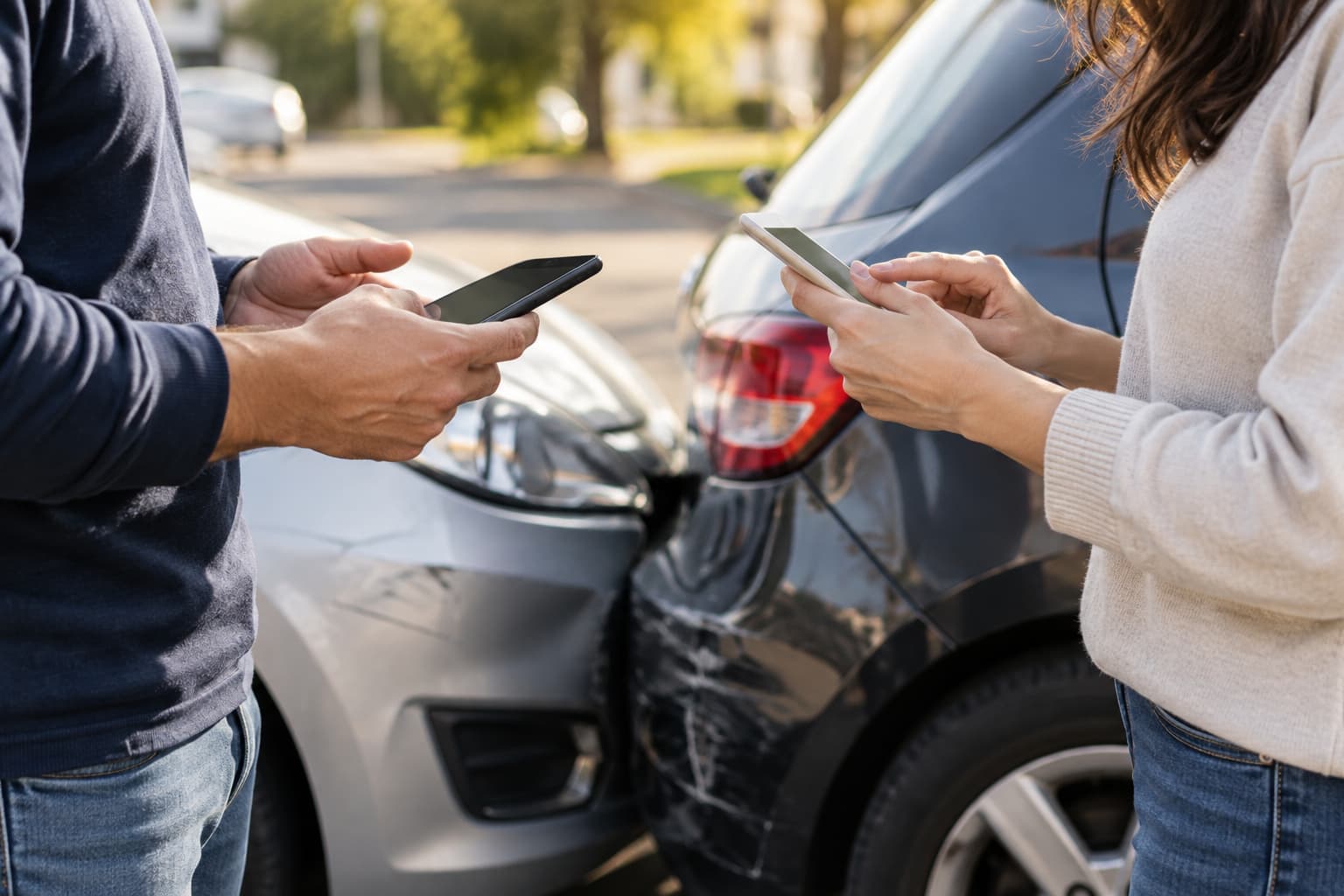
If another driver hits your vehicle, focus on gathering the information you may need for the claim.
1. Make sure everyone is safe
Check for injuries and call 911 if anyone needs medical attention.
2. Exchange information
Get the other driver’s:
- Name
- Contact information
- Insurance company
- Policy information
- Vehicle information
- License plate number
3. Take photos
Photograph the damage to both vehicles and the surrounding accident scene.
4. Get witness information
If someone saw the accident, ask for their name and contact information.
5. Notify your insurer
Let your insurance company know what happened, even if the other driver appears to be responsible.
6. Start the claim with the other driver’s insurer
If the other driver caused the accident, contact their insurance company and ask how to start a property damage claim.
Keep your claim number, repair estimates, towing receipts, and other accident-related documents together as the claim moves forward.
Does Having Liability-Only Insurance Change Who Is Responsible?
No. The type of coverage you carry does not determine who caused the accident.
If another driver is responsible, their liability coverage may still apply to the damage they caused to your vehicle.
What liability-only coverage changes is the protection available through your own policy.
Liability coverage is designed to handle covered damage you cause to others. Collision coverage is designed to handle covered collision damage to your own vehicle.
Knowing that difference makes it easier to understand which insurance company to contact after an accident.
What to Remember After Someone Hits You
When another driver causes the accident, their property damage liability coverage may help pay for damage to your vehicle, up to the available policy limit. Start by getting their insurance information and contacting their insurance company to begin the claim.
It is also a good idea to notify your own insurer. They can document the accident and help you understand whether any coverage on your policy may apply.
Liability-only insurance can be a practical choice for Oklahoma drivers who want straightforward coverage. Knowing where to file the claim and what information to gather can make the process much easier to manage.