
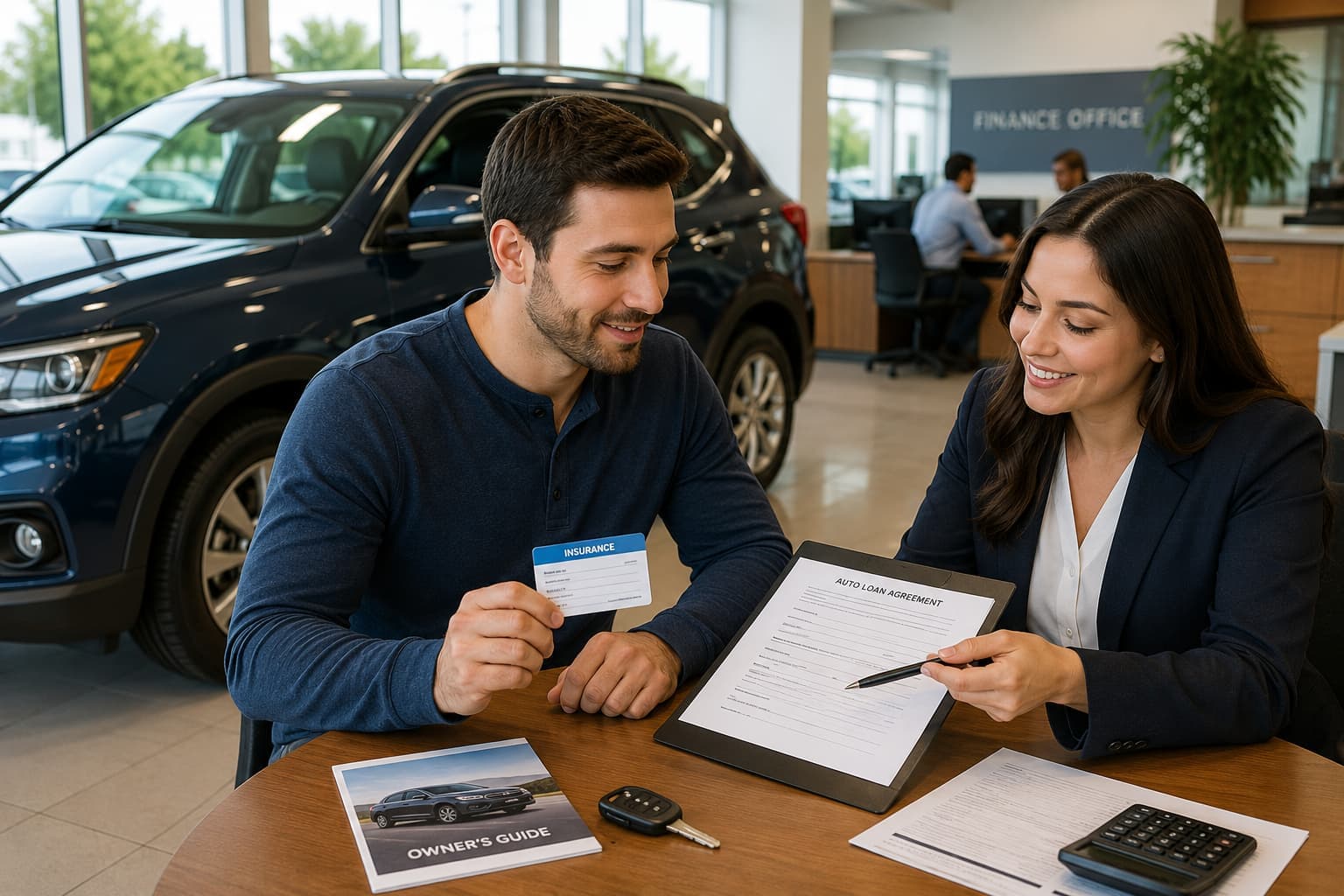
If you’re financing a vehicle through Capital One Auto Finance, you’ll likely need to show proof of insurance before you can drive your new vehicle home. That’s when many buyers realize they aren’t entirely sure what their lender actually requires—or whether “full coverage” is mandatory.
The good news is that financing through Capital One doesn’t mean you have to buy insurance from Capital One or even switch to a specific insurance company. Instead, like most auto lenders, Capital One generally requires financed vehicles to carry insurance that helps protect both you and the lender while there’s still a balance on the loan.
Understanding what those insurance requirements typically include—and why lenders require them—can help you avoid delays during the financing process, maintain compliance with your loan agreement, and shop for auto insurance with greater confidence.
What Is Capital One Auto Finance?
Capital One Auto Finance is the vehicle lending division of Capital One. Rather than selling car insurance, the company provides financing for eligible new and used vehicle purchases through participating dealerships and vehicle refinancing programs.
Because Capital One is a lender—not an insurance company—its financial interest is tied to the vehicle securing the loan. Until the loan has been paid in full, the lender wants to ensure that vehicle is protected if it’s damaged, stolen, or declared a total loss.
That protection comes from maintaining an auto insurance policy that meets the requirements outlined in your financing agreement.
Does Capital One Auto Finance Require Full Coverage Insurance?
Although every loan agreement can vary, borrowers financing a vehicle through Capital One Auto Finance are generally expected to maintain insurance that protects both themselves and the lender’s financial interest.
For most financed vehicles, this typically includes:
| Coverage | Why It’s Typically Required |
|---|---|
| Liability Insurance | Required by state law in most states and helps pay for injuries or property damage you cause to others. |
| Collision Coverage | Helps pay to repair or replace your vehicle after an at-fault accident or collision with another object. |
| Comprehensive Coverage | Helps cover damage from theft, vandalism, hail, fire, flooding, falling objects, animal collisions, and other covered non-collision events. |
Collision and comprehensive coverage are commonly referred to as full coverage, even though there isn’t an official insurance policy by that name.
Some lenders also establish maximum deductible limits to help ensure enough coverage is available after a covered loss. If your financing agreement includes deductible limits, you’ll find those requirements in your loan documents.
When Do You Need to Show Proof of Insurance?
In many cases, you’ll need to provide proof of insurance before the dealership can finalize your financing and release the vehicle to you.
Your dealership or insurance company may also need to list Capital One Auto Finance as the lienholder on your policy. This allows the lender to receive notice if your coverage changes or lapses while the loan is active.
Depending on the dealership and insurer, proof of insurance may include:
- An insurance ID card
- A declarations page
- Electronic proof of insurance through your insurer’s mobile app
If you’re unsure what documentation is required, your dealership or insurance company can usually confirm what’s needed before closing.
What Does “Full Coverage” Actually Mean?
The term “full coverage” causes a lot of confusion because it sounds like the name of a specific insurance policy. In reality, it’s simply an informal way of describing a policy that combines several different coverages.
Most people use the term to refer to a policy that includes:
- Liability coverage
- Collision coverage
- Comprehensive coverage
Many drivers also choose optional protections such as:
- Rental reimbursement
- Roadside assistance
- Uninsured/underinsured motorist coverage (where available)
- Medical Payments or Personal Injury Protection (depending on state requirements)
These optional coverages can provide additional financial protection, but they’re generally separate from the lender’s basic insurance requirements.
Why Do Auto Lenders Require Collision and Comprehensive Coverage?
When you finance a vehicle, the lender has a financial interest in that vehicle until the loan has been repaid.
Imagine you still owe $24,000 on your loan and your vehicle is totaled in an at-fault accident.
If you only carried liability insurance, your policy generally wouldn’t pay to repair or replace your own vehicle. You could still be responsible for making loan payments on a vehicle you no longer have.
Collision and comprehensive coverage help reduce that financial risk by providing protection for the vehicle under covered circumstances. While these coverages benefit you as the owner, they also help protect the lender’s collateral until the loan has been satisfied.
Can You Choose Your Own Insurance Company?
Yes.
Financing through Capital One Auto Finance generally does not require you to purchase insurance from a particular insurance company.
Instead, you’re typically free to compare quotes and choose the insurer that best fits your budget and coverage needs, provided your policy satisfies the insurance requirements outlined in your loan agreement.
Insurance premiums can vary based on factors such as:
- Your driving history
- Age and driving experience
- Vehicle make and model
- Where you live
- Annual mileage
- Coverage selections
- Deductible amounts
Comparing quotes from multiple insurance companies can help you meet your lender’s requirements while finding coverage that fits your budget.
What Happens If Your Insurance Lapses?
Keeping continuous insurance coverage is an important part of most financed vehicle agreements.
If your policy is canceled or lapses, your insurance company may notify Capital One if it’s listed as the lienholder on your policy.
If qualifying replacement coverage isn’t provided, the lender may obtain insurance to help protect its financial interest in the vehicle. This is commonly known as force-placed insurance or collateral protection insurance.
Unlike a standard auto insurance policy, force-placed insurance is primarily designed to protect the lender—not the driver.
Depending on the policy, it may:
- Cost significantly more than a standard auto insurance policy
- Provide limited coverage
- Exclude liability coverage for injuries or damage you cause to others
- Increase your monthly loan balance or payment
Maintaining your own qualifying insurance policy is usually the more affordable and comprehensive option.
Tips for Keeping Your Loan and Insurance in Good Standing
Once your financing begins, a few simple habits can help you avoid unnecessary complications:
- Make sure Capital One Auto Finance is listed as the lienholder on your insurance policy.
- Notify your insurance company if you refinance or pay off your vehicle.
- Avoid allowing your coverage to lapse, even for a short period.
- Review your deductible amounts if your loan agreement specifies maximum deductible limits.
- Compare insurance quotes before each renewal—you can usually switch insurance companies without affecting your loan, as long as your new policy continues to meet your lender’s requirements.
Frequently Asked Questions
Does Capital One sell car insurance?
No. Capital One Auto Finance provides vehicle financing, not auto insurance. Borrowers purchase insurance through the insurance company of their choice.
Can I remove collision and comprehensive coverage before my loan is paid off?
In most situations, removing these coverages before satisfying your loan agreement would violate your lender’s insurance requirements. Review your financing agreement before making changes to your policy.
Can I switch insurance companies while financing through Capital One?
Yes. Most borrowers can change insurance companies whenever they choose, provided the new policy continues to satisfy the lender’s insurance requirements and the lienholder information is updated.
Is gap insurance required by Capital One?
Gap insurance requirements can vary depending on your financing agreement. Many lenders don’t automatically require gap insurance, but it may be recommended if you owe more on your loan than your vehicle is worth. Review your loan documents or ask your lender if you’re unsure whether it’s required for your specific loan.
What happens after I pay off my Capital One auto loan?
Once your loan has been been paid in full, the lender’s insurance requirements generally end. At that point, you can review your coverage and decide whether maintaining collision and comprehensive coverage still makes sense based on your vehicle’s value, financial situation, and personal comfort with risk.
Understanding Your Insurance Requirements Before You Drive Away
Financing a vehicle through Capital One Auto Finance doesn’t mean you’re required to purchase insurance from Capital One or stay with a specific insurance company. Instead, the lender generally requires financed vehicles to carry certain coverages that help protect the vehicle until the loan has been paid off.
By understanding what those requirements typically include, when you’ll need to provide proof of insurance, and how to maintain the proper coverage throughout your loan, you can move through the financing process with confidence and avoid unexpected issues later. Whether you’re buying your first financed vehicle or replacing your current one, reviewing your insurance before signing your loan documents can help ensure you’re ready to drive away with the protection both you and your lender expect.